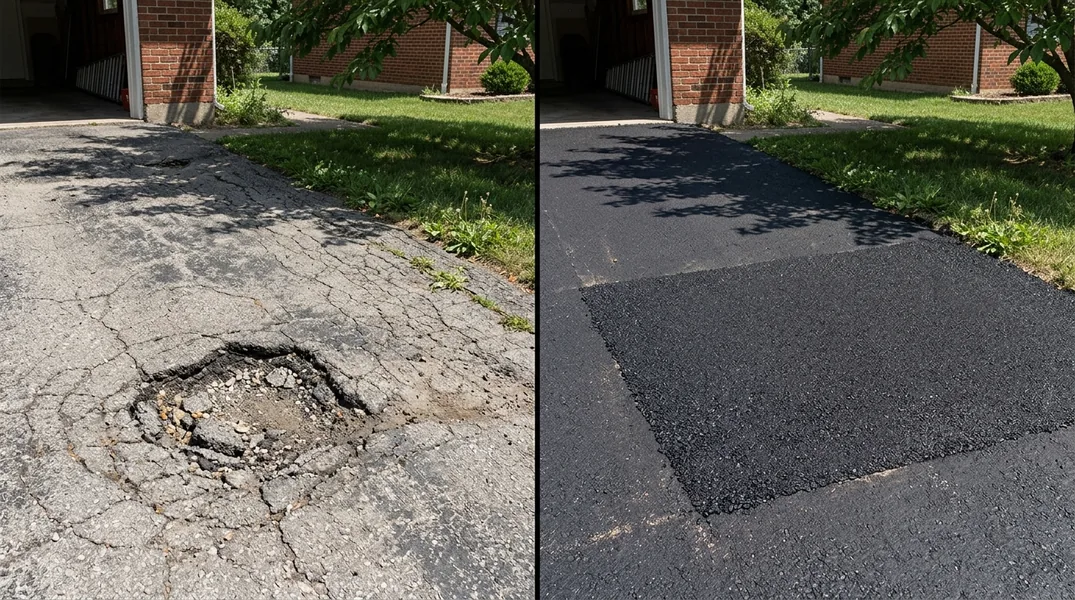
Understanding Louisville's Freeze-Thaw Cycle
If you own a home in Louisville, you've probably noticed that your driveway looks worse every spring than it did the previous fall. This isn't coincidence. Our region's weather patterns create a perfect storm for asphalt damage, and understanding why is the first step toward protecting your investment.
The freeze-thaw cycle is a natural process that occurs when temperatures fluctuate above and below freezing. Water seeps into tiny cracks in your asphalt, then freezes overnight. As ice forms, it expands, pushing the asphalt upward and widening those small cracks. When the temperature rises during the day, the ice melts and the asphalt settles back down, but it's now slightly more damaged than before. Repeat this cycle dozens of times throughout Louisville's winter months, and you have a recipe for serious pavement failure.
This process doesn't just create cosmetic damage. Each freeze-thaw cycle weakens the structural integrity of your driveway. The base layer beneath the asphalt becomes compromised, and water infiltration accelerates deterioration. By spring, what started as hairline cracks in autumn have often developed into significant potholes that pose safety hazards and can damage your vehicle's suspension.
Why Autumn Cracks Lead to Spring Potholes
Many homeowners make the mistake of ignoring small cracks that appear in the fall. They think, 'It's just a cosmetic issue. I'll deal with it in the spring.' This is precisely the wrong approach. Those small cracks are gateways for water infiltration, and winter weather in Louisville will exploit every single one of them.
When water enters a crack in your asphalt, it travels downward through the pavement layers. If the crack is wide enough, water reaches the base layer, which is typically made of crushed stone or gravel. Once water saturates the base layer, it weakens the support structure beneath your driveway. The asphalt becomes like a bridge with a failing foundation. The freeze-thaw cycle then uses this weakness against you. As the water freezes and expands, it doesn't just widen the surface crack. It also heaves the base layer, creating pressure that forces the asphalt upward and creates structural stress.
By the time spring arrives and temperatures warm up, the damage is extensive. The asphalt has been lifted and settled repeatedly, and the base layer has lost its compaction. This is when potholes form. The surface asphalt, no longer properly supported, breaks apart under the weight of vehicles. What was a small crack in October becomes a dangerous pothole by April. This is why Driveway Repair in spring is so common and so expensive. Prevention in autumn is always more cost-effective than repair in spring.
How to Protect Your Driveway During Winter Months
The good news is that you can significantly reduce freeze-thaw damage by taking proactive steps. The first and most important action is to seal any cracks before winter arrives. Pothole Repair & Asphalt Patching should be done in the fall, not the spring. By filling cracks with a quality sealant, you prevent water from entering the pavement. This single step can extend your driveway's lifespan by years and save you thousands in repairs.
Beyond crack sealing, consider applying a protective asphalt sealcoat. A sealcoat is a thin layer applied over the entire driveway surface that protects the asphalt from UV damage, oxidation, and water infiltration. It's like applying sunscreen to your skin. Sealcoating should be done every two to three years, and it's especially important to apply it before winter. A fresh sealcoat provides a protective barrier that significantly reduces water absorption.
You should also ensure proper drainage around your driveway. If water pools on or near your driveway, it will find its way into cracks and cause more damage. Make sure gutters are clean and downspouts direct water away from the driveway. Grading should slope away from your home so that snowmelt and rain drain properly. These simple maintenance steps cost nothing but can prevent major damage.
During winter itself, avoid using salt-based ice melt products on your driveway if possible. While these products help with traction, they accelerate the freeze-thaw process and can cause additional damage. If you must use ice melt, choose calcium chloride or magnesium chloride products, which are less damaging than sodium chloride rock salt. Remove snow promptly to reduce the amount of water that melts and seeps into cracks.
When to Call a Professional: Questions to Ask Your Paving Contractor
If your driveway has already suffered freeze-thaw damage, it's time to consult with a professional. But before you call just any contractor, you need to know how to choose a paving contractor wisely. Unfortunately, the asphalt industry has its share of dishonest operators, and homeowners are frequently targets of driveway paving scams. One of the most common scams is the 'leftover asphalt' pitch, where a contractor claims to have extra asphalt from another job and can give you a great deal on paving your driveway. This is a classic bait-and-switch. The asphalt is often old, improperly mixed, or contaminated, and the work is typically shoddy. Avoid any contractor who approaches you with this offer.
When interviewing contractors, ask specific questions to ask paving contractor representatives. First, ask about their experience and how long they've been in business. A reputable contractor like Louisville Asphalt Paving has years of experience serving the community. Ask for references and actually call them. Ask what materials they use and whether they source fresh asphalt from a licensed supplier, not leftover material from other jobs. Ask about their process for site preparation, compaction, and finishing. Ask whether they provide a written warranty on their work. Ask about their licensing and insurance. A legitimate contractor will have no problem answering these questions and providing documentation.
For significant damage, you may need Asphalt Resurfacing & Overlay rather than simple patching. This involves removing the damaged asphalt and installing a new layer over the base. Ask your contractor whether resurfacing or patching is appropriate for your situation. Sometimes a patch is sufficient, but if freeze-thaw damage is extensive, resurfacing is the better long-term solution. Louisville Asphalt Paving can assess your driveway and recommend the right approach. Call (502) 754-0671 or request a free estimate to get a professional evaluation.
Asphalt Driveway Paving & Installation Cost in Louisville: What to Budget
Understanding pricing for asphalt work helps you make informed decisions and avoid scams. The cost of driveway repair, resurfacing, or new Asphalt Driveway Paving & Installation varies based on several factors. The size of your driveway, the extent of damage, the thickness of asphalt you need, and local labor costs all influence the final price. A simple crack seal might cost a few hundred dollars, while a full resurfacing could run several thousand. The key is getting multiple quotes from reputable contractors and comparing not just price but scope of work.
Beware of quotes that seem too good to be true. If a contractor quotes significantly less than others, ask why. Are they using inferior materials? Cutting corners on preparation? Offering a shorter warranty? Legitimate contractors price their work fairly based on materials, labor, and quality standards. Louisville Asphalt Paving provides transparent pricing based on the actual work required. We recommend getting a free estimate from multiple contractors so you can compare apples to apples. Don't let a low price lure you into hiring an unqualified contractor who will do substandard work that fails within a year.
Planning Ahead: Seasonal Maintenance to Prevent Freeze-Thaw Damage
The best strategy for dealing with freeze-thaw damage is prevention through seasonal maintenance. Each season presents an opportunity to protect your driveway. In late summer and early fall, inspect your driveway carefully for any cracks, no matter how small. Have these sealed before winter arrives. If your driveway is more than three years old and hasn't been sealcoated recently, apply a fresh coat in the fall. These preventive measures are investments that pay dividends by extending your driveway's lifespan and avoiding expensive repairs.
Spring is the time to assess winter damage and plan repairs. If you notice new potholes or significant cracking, address it promptly. Waiting allows water to continue infiltrating the pavement and causing more damage. Summer is ideal for major work like Asphalt Resurfacing & Overlay because weather conditions are optimal for asphalt installation. Winter maintenance should focus on keeping your driveway clear of standing water and managing snow removal carefully.
If you're in the Louisville area and concerned about freeze-thaw damage to your driveway, don't wait until spring when damage is extensive and repairs are expensive. Contact Louisville Asphalt Paving today at (502) 754-0671 to schedule a professional inspection. We'll assess your driveway's condition and recommend the best course of action, whether that's crack sealing, patching, or resurfacing. Request your free estimate now and take control of your driveway's future.
Looking for a professional asphalt paving contractor in Louisville? Louisville Asphalt Paving responds fast for all your asphalt paving needs.
Get a Free Quote